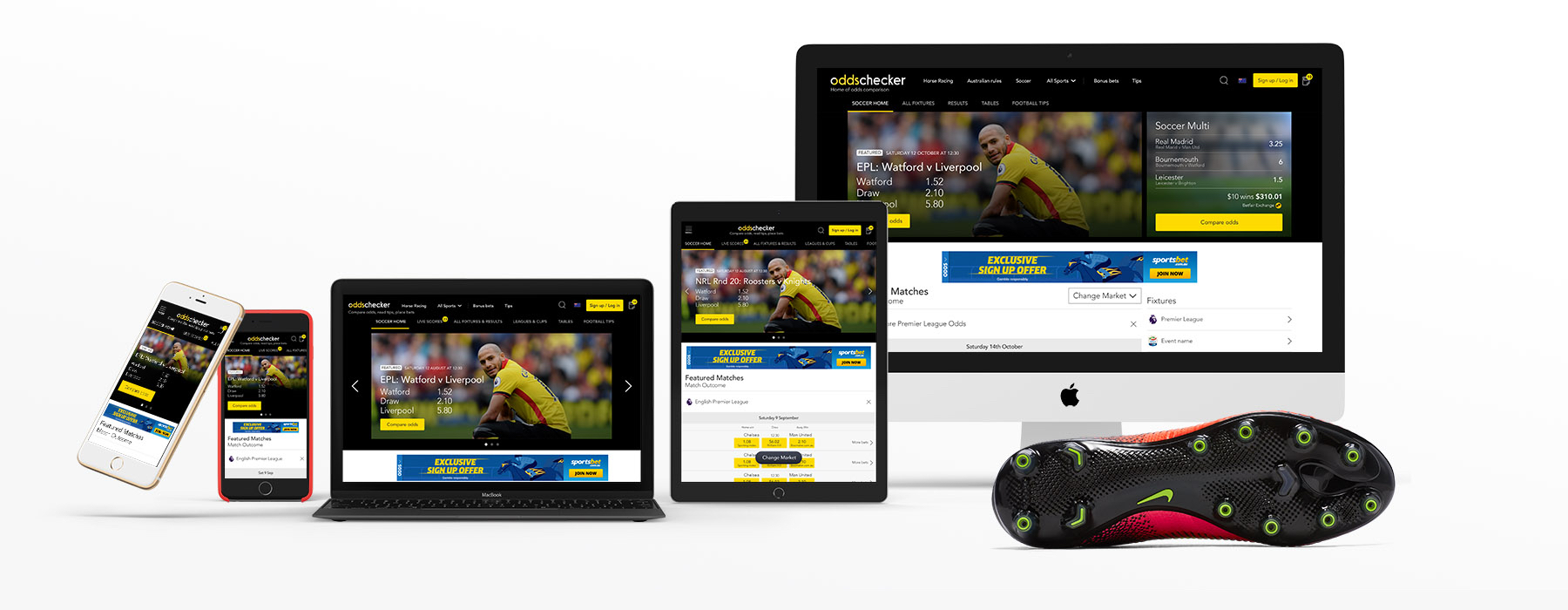
Role
Senior UX & UI Designer
Scope
Competitor & Customer Research, IA, Design
Impact
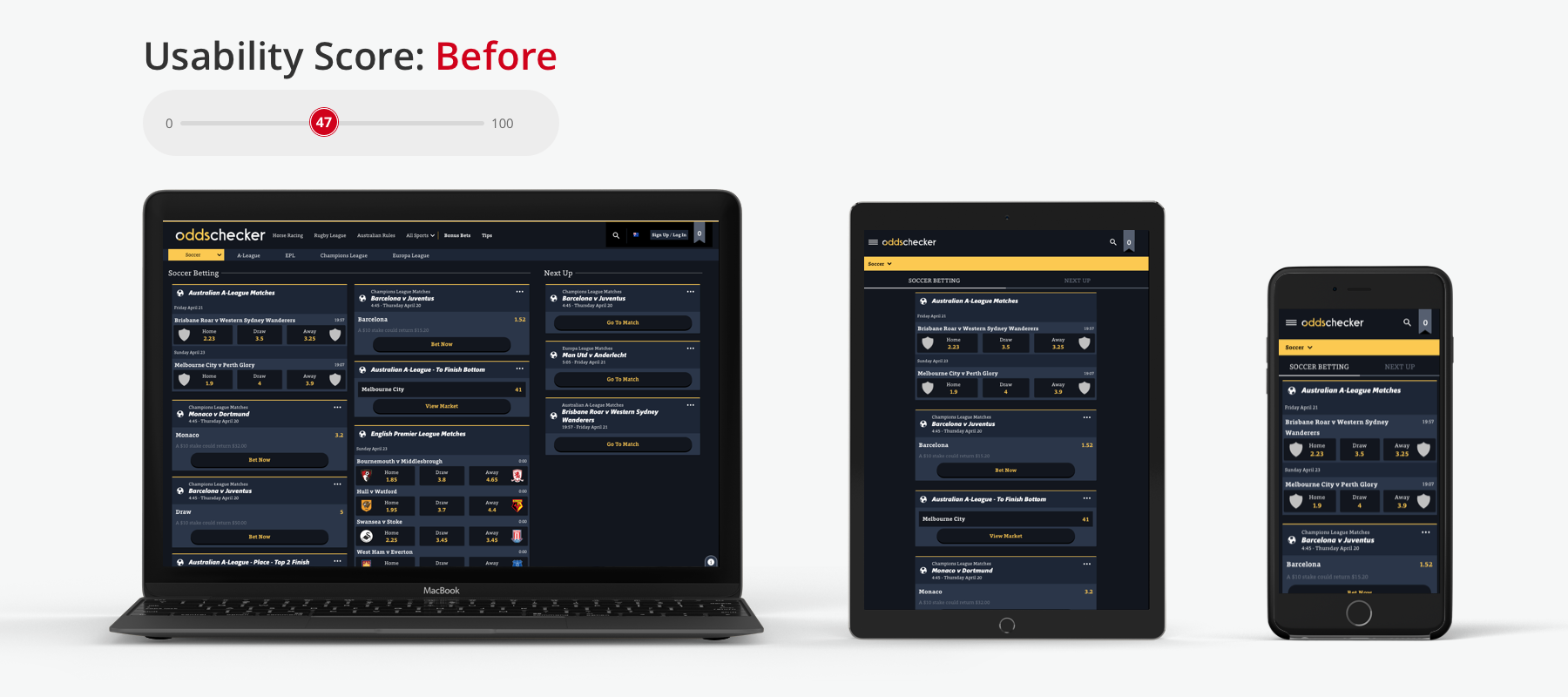
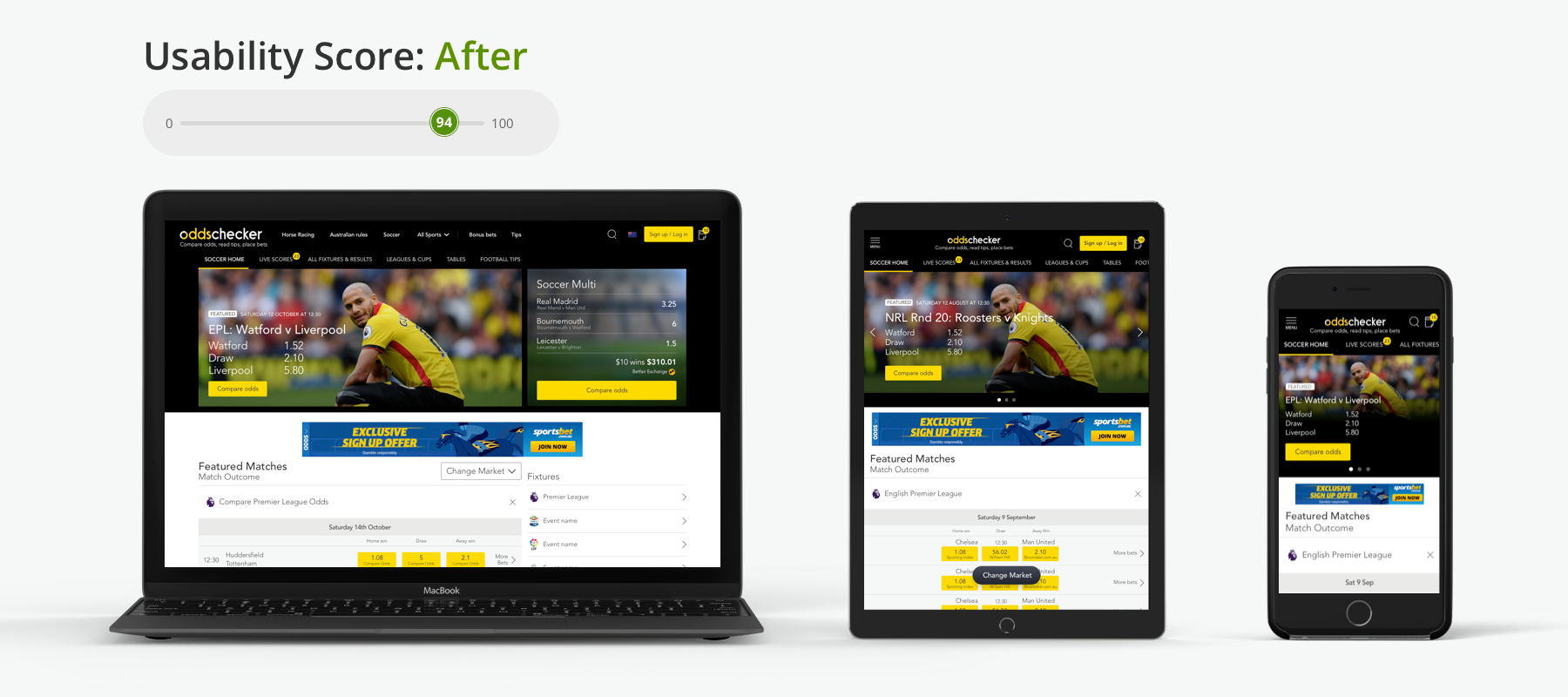
Improved usability of key journeys from 47 to 94
Date
Fy19
Problem
Approach
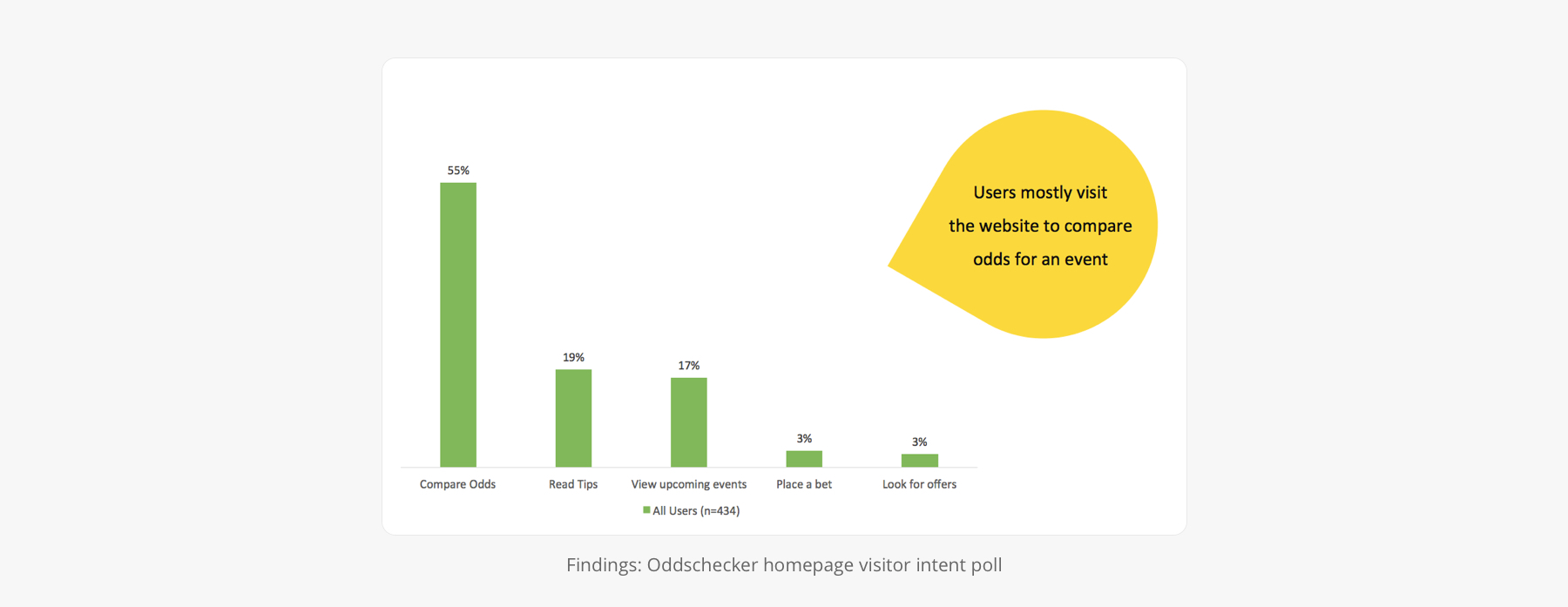
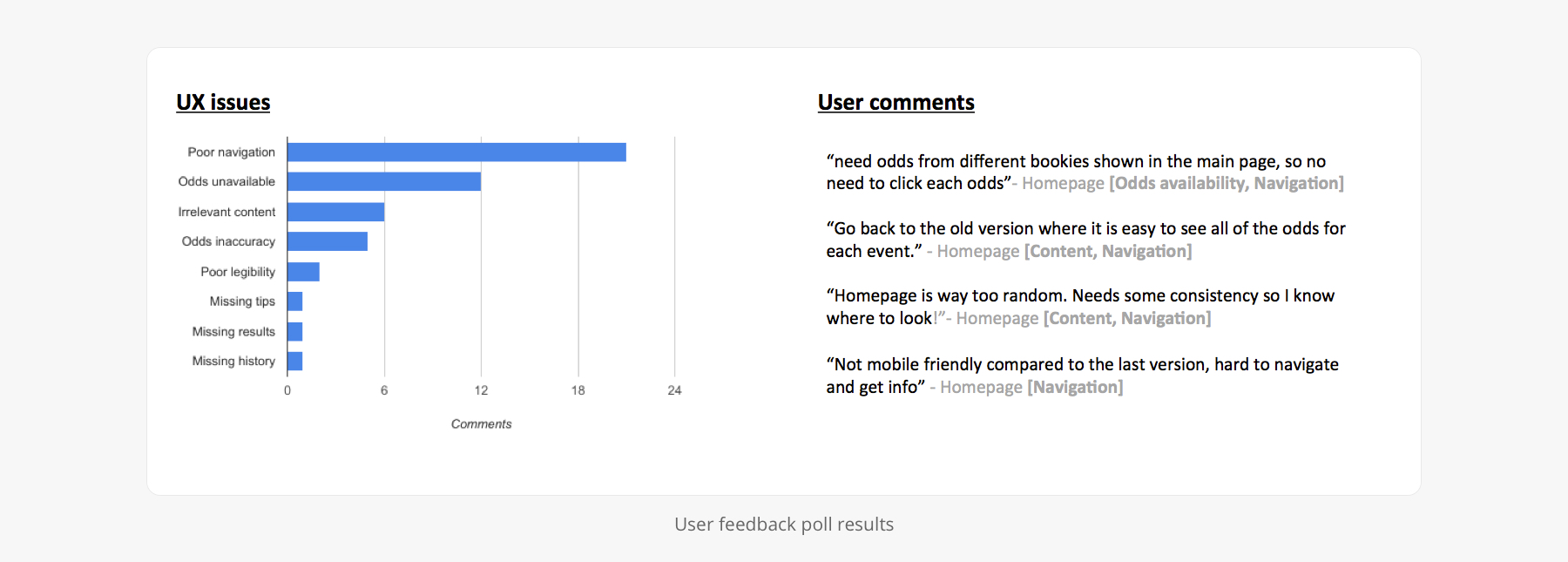
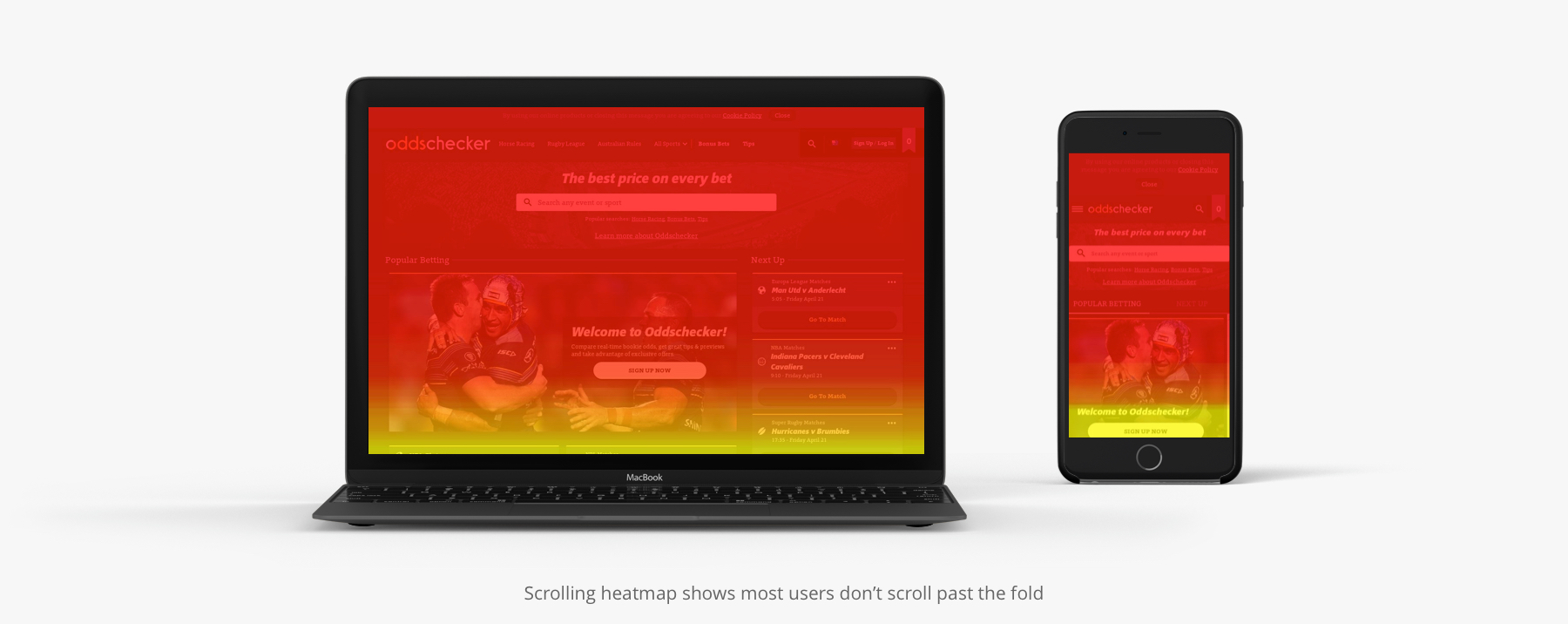
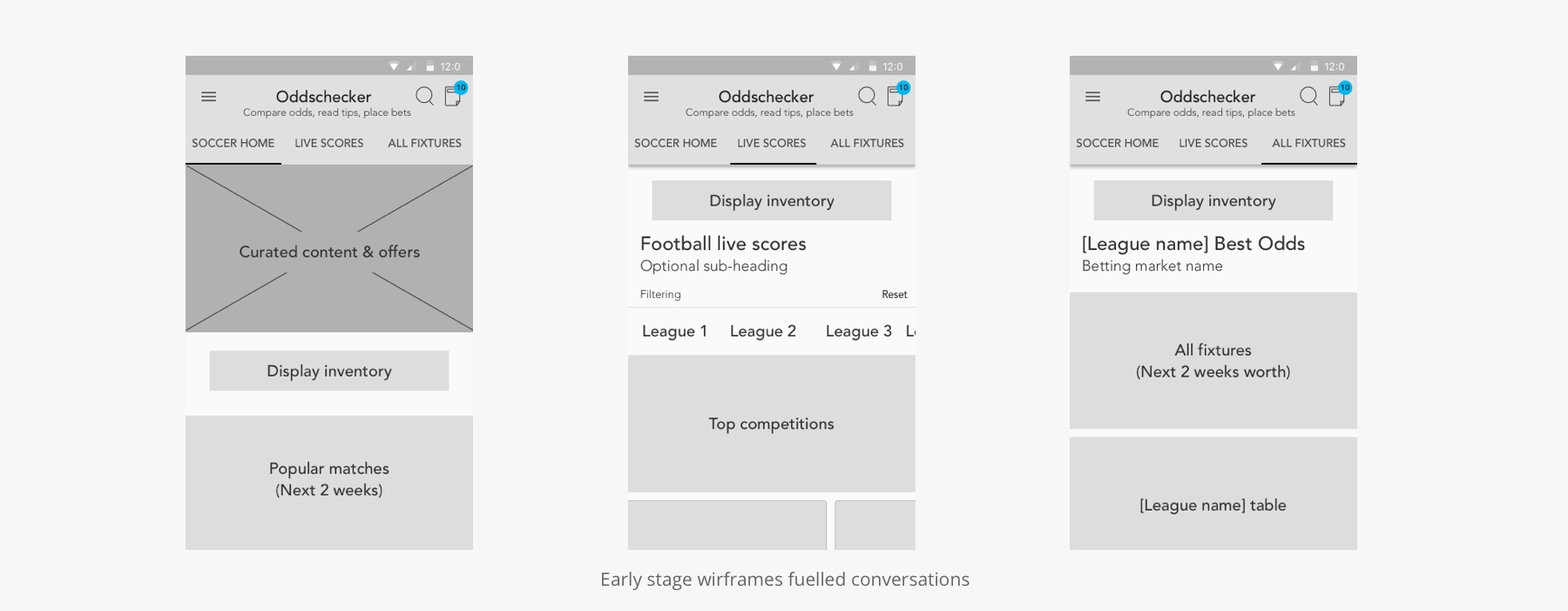
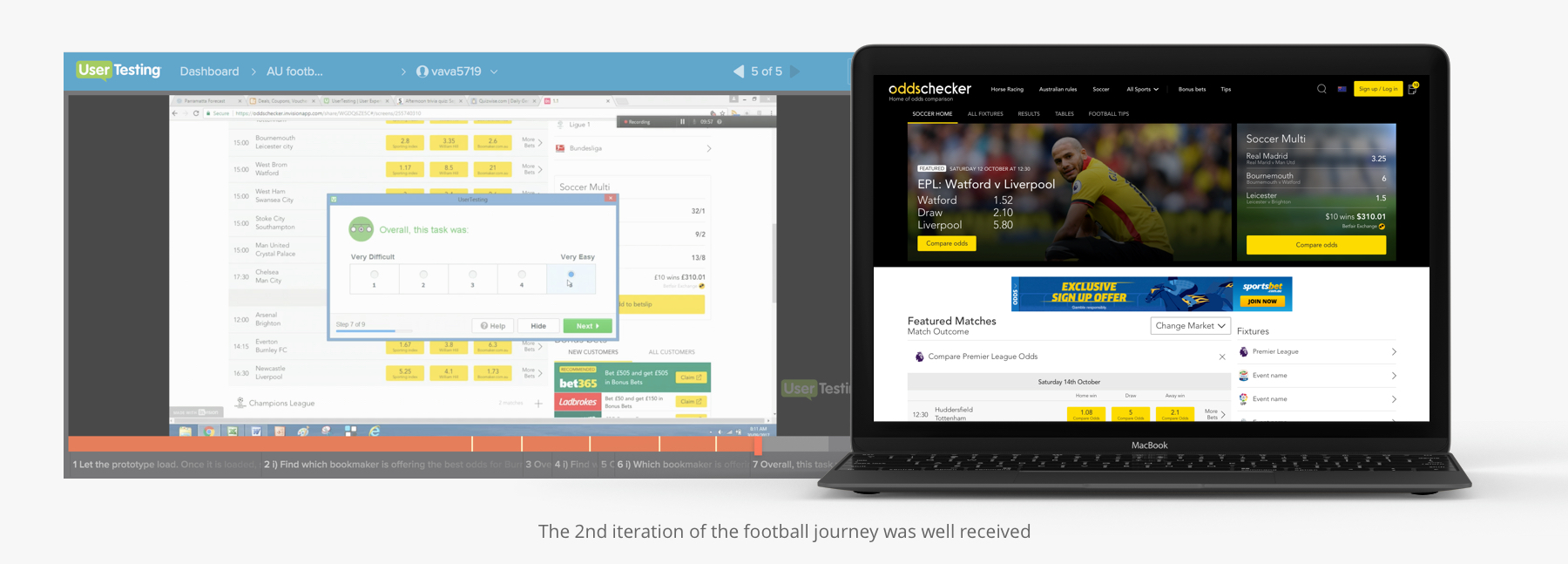
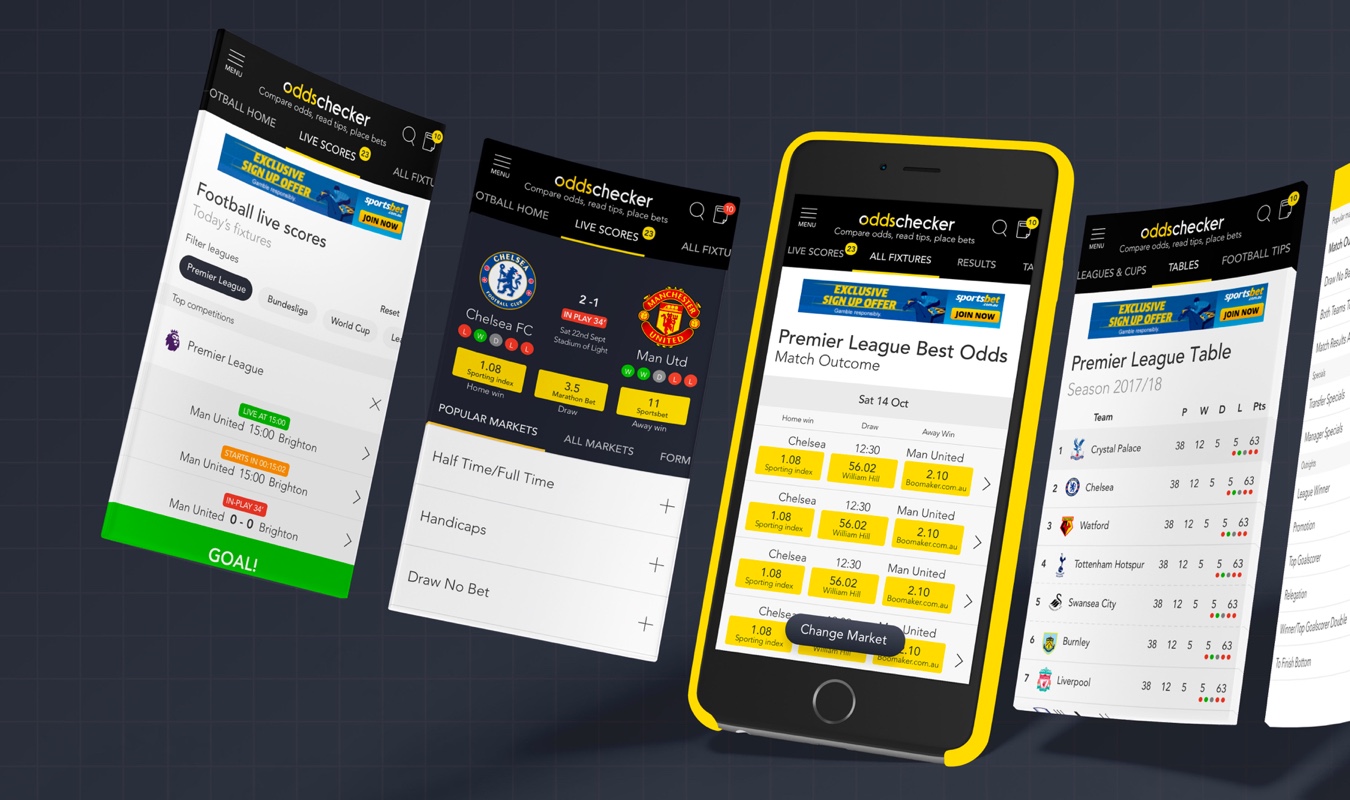
With a product-led growth mindset, I designed a self-serve, football-first experience anchored in intuitive navigation and personalised content. Research combined moderated testing, visitor-intent polls, heatmaps, competitor benchmarking stakeholder input to pinpoint friction points. I restructured the hierarchy to a more intuitive IA (Sport → Country → Competition → Fixture → Market → Bet) and introduced configurable “Popular Leagues & Markets” per country, optimised for SEO in collaboration with the in-house SEO lead, and built flexible ad/widget zones that preserved usability. Prototypes went through multiple testing rounds, resulting in easier access to ‘Results’ and ‘Fixtures’, richer betting context, and simplified bet-type labelling.
Value delivered
The redesign doubled usability scores from 47 to 94, increased organic traffic to football markets by 18% YoY, boosted time-on-site 32%, and reduced bounce rate 28%. Personalised modules drove a 22% lift in return visits, while clearer market navigation and odds presentation delivered a 15% uplift in bet click-through rates. The result is a responsive, international platform that not only fixes usability but turns UX into a measurable growth engine—driving acquisition, retention, and conversion and enabling Oddschecker to scale to 18+ countries.
Key steps in the process